
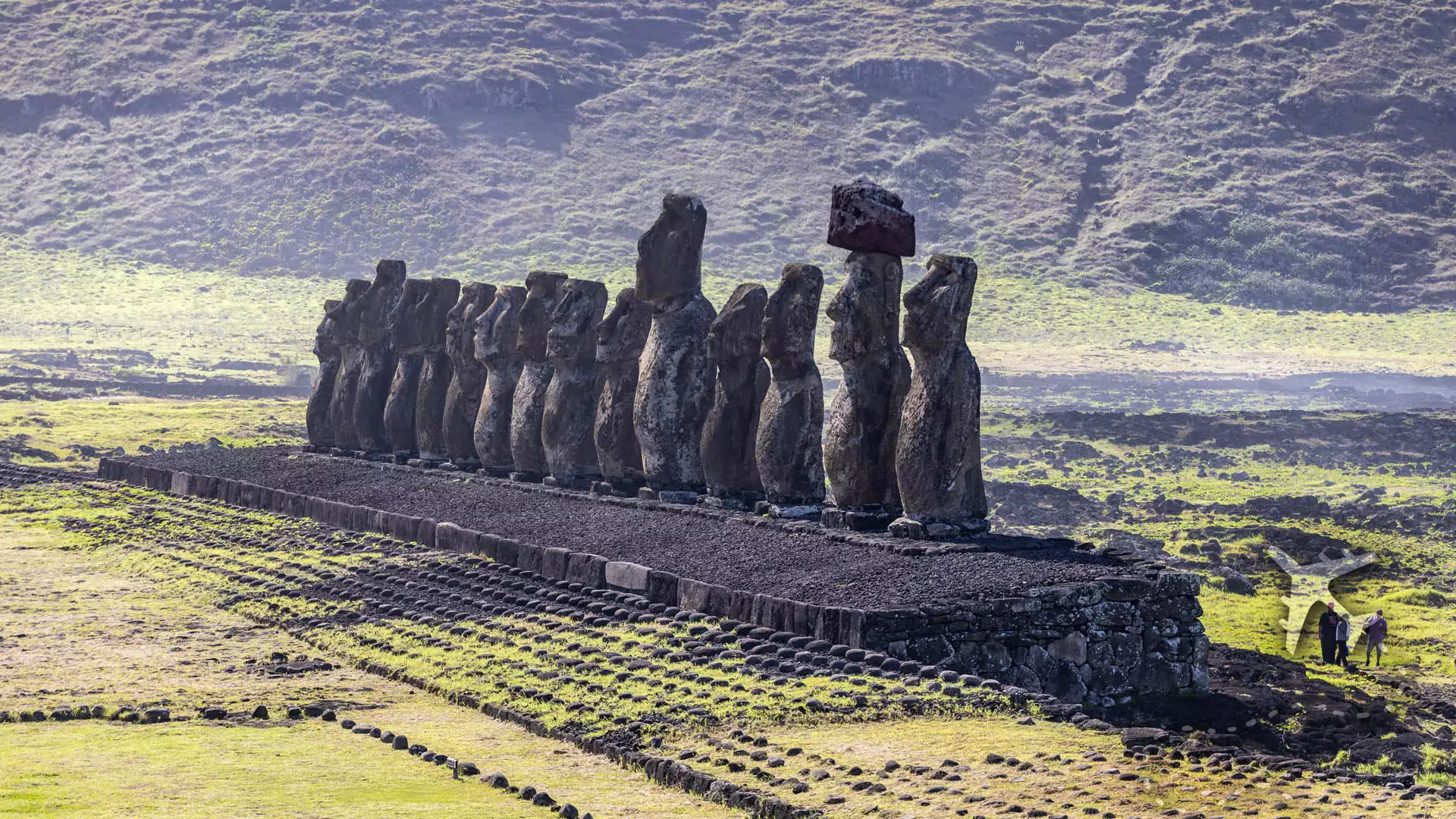
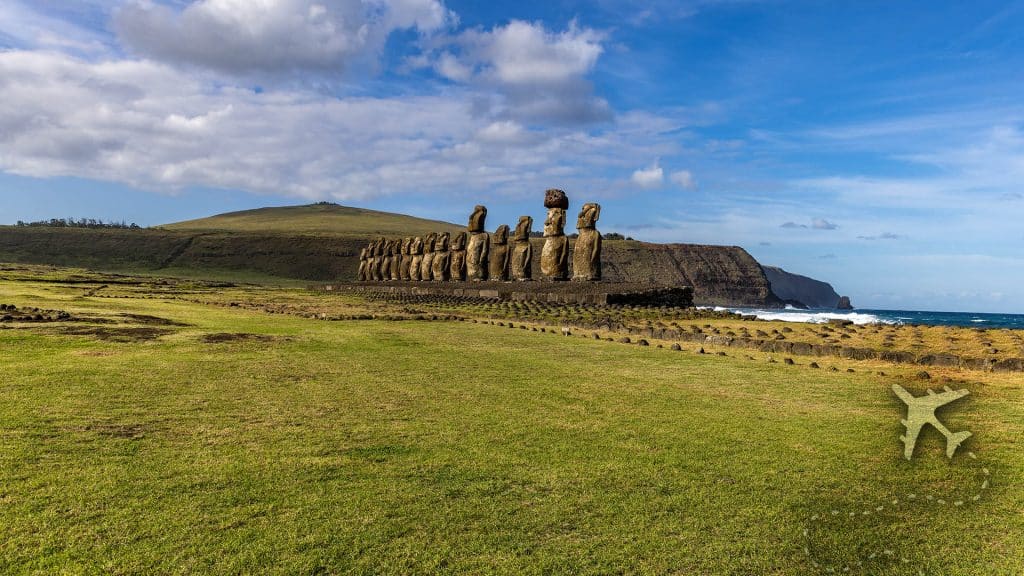
Positioned on the distant, windswept coast of Easter Island (Rapa Nui), Ahu Tonggariki is a surprising testomony to the island’s cultural and architectural heritage. The island’s largest ceremonial platform, Ahu Tongariki, is residence to a particular line of 15 moai statues that appear to stare out into the Pacific Ocean with a timeless sense of function and grandeur. For vacationers and tradition fanatics alike, a go to to Ahu Tongariki is extra than simply sightseeing – it is a journey into the center of one of many world’s most mysterious civilizations.
The historical past behind Ahu Tongariki
The story of Ahu Tonggariki begins with the Rapa Nui individuals, the unique Polynesian settlers of Easter Island. They arrived as early because the tenth century, bringing with them traditions, instruments, and the flexibility to navigate huge expanses of ocean. Over the centuries, they developed a novel tradition centered round ancestor worship, represented by big statues known as moai.
Ahu Tongariki was constructed between the thirteenth and fifteenth centuries and have become one of many island’s most necessary ceremonial platforms (ahu). Ahu had been sacred websites believed to be inhabited by ancestral spirits, and moai statues had been erected atop them to honor these ancestors, guaranteeing safety and prosperity for his or her descendants.
Nevertheless, by the late seventeenth century, Easter Island skilled societal collapse attributable to deforestation, useful resource depletion, and inner strife. Many moai, together with these at Ahu Tongariki, had been shot down throughout this era – a thriller that also baffles historians at this time.
Destruction and restoration
The story of Ahu Tonjariki took a devastating flip in 1960 when Valdivia earthquake in Chile It precipitated a tsunami that swept the island. The huge wave of moai splashed throughout the location, leaving the once-mighty ahu in ruins.
Fortuitously, within the early Nineties, a exceptional restoration challenge started. With the assistance of the Japanese authorities, a staff of expert archaeologists and engineers, and the native Rapa Nui individuals, Ahu Tongariki was painstakingly reconstructed. By 1996, the 15 moai had been returned to their authentic areas, and so they stand proud as soon as once more. One of many heaviest statues on the island, it weighs 86 tons!
How was Moai created?
Making a moai is a feat of human ingenuity and willpower. Carved from volcanic tuff present in Rano raraku quarryThe moai are carved utilizing easy basalt instruments over a interval of months, and generally years. As soon as accomplished, the statues had been transported throughout the island, an enormous endeavor given their measurement and weight. Whereas the precise methodology continues to be up for debate, theories counsel that the Rapa Nui used a mixture of sleds, ropes, and human energy to “stroll” the moai to their ahu.
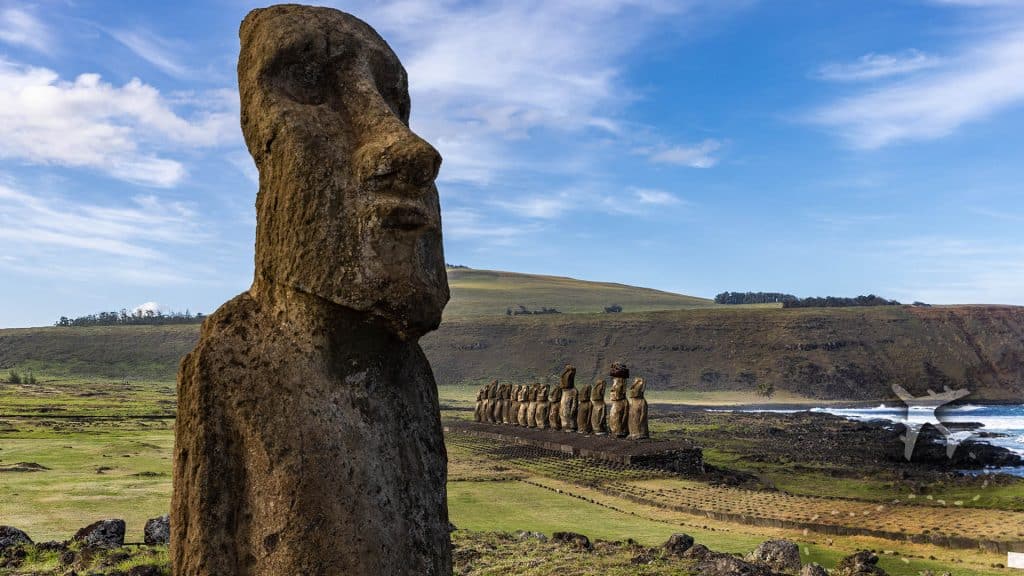
Every moai at Ahu Tonggariki is exclusive, with delicate variations in facial options, measurement and element that replicate the artistry of their creators. Some as soon as wore pukao (cylindrical pink stone hats), including a higher sense of standing and significance.
Why go to Ahu Tonjariki?
There are numerous the reason why Ahu Tonggariki needs to be on the high of any traveler’s listing:
- The dawn views are unparalleled: Ahu Tongariki is thought for its ethereal sunrises. Because the solar rises over the Pacific Ocean, the shadows of the moai seem towards the fiery orange and pink sky, creating an unforgettable sight. It is a magical second cherished by photographers and vacationers alike.
- Cultural communication: Standing in entrance of those towering statues, guests can really feel a deep connection to the Rapa Nui individuals, their traditions, and their resilience. Ahu Tonjariki is extra than simply an archaeological web site, it’s a bridge to the previous, permitting us to honor a individuals who achieved greatness towards all odds.
- Immersive historical past: The restoration of the location presents a strong story of cultural preservation and respect. Exploring Ahu Tongariki is a chance to witness the artistic brilliance and collaborative efforts which have introduced these moai to life.
- Wonderful scale: No photograph can really seize the scale and presence of Ahu Tongariki. The sheer measurement of the moai, the grandeur of its alignment, and the encircling volcanic panorama mix to create a humbling and provoking expertise.
Plan your go to
The very best time to go to Ahu Tongariki is dawn because it gives beautiful views. Easter Island itself may be reached by flights from Santiago, Chile, making it a distant however worthwhile journey. As soon as on the island, guided excursions are extremely really useful to supply perception into the historical past, significance and secrets and techniques of the location.

A visit value taking
Ahu Tongariki is greater than only a assortment of statues, it’s a dwelling legacy of the Rapa Nui individuals, a logo of their artwork, beliefs and perseverance. Whether or not you are a historical past buff, cultural explorer, or avid traveler, standing in entrance of a moai at Ahu Tongariki is an expertise that may stick with you lengthy after you allow. In a world of fixed change, this sacred web site reminds us of the enduring energy of human creativity and our connection to those that got here earlier than us.
Regularly requested questions
It took practically 500 years to construct Ahu Tongariki, someday between 1000-1500 AD.
Ahu Tongariki was the ceremonial middle of the town. The bottom containing 15 moai was the central location within the surrounding metropolis.
Positioned on the northeast aspect of Easter Island, it’s simply accessible by automotive.
The protected nature park requires a US$80 allow for overseas guests. As well as, an area information should accompany guests to the nationwide park.
Source link