
Packed airports, tight seats and misplaced baggage… no surprise flying frays our nerves. Right here’s the best way to maintain your cool at 30,000 ft
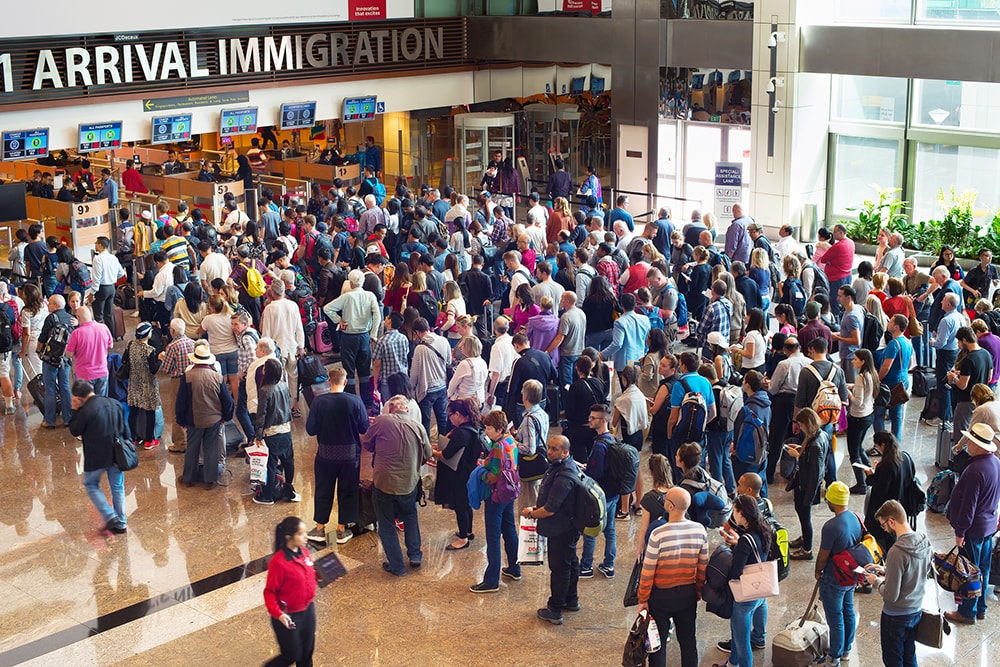
The vacations are coming, airports are packed, and feelings are working excessive. You’ve most likely seen it and even been a part of it: that tense second when a passenger snaps at a flight attendant, or a near-meltdown over a seat reclining too far. Why does flying appear to carry out the worst in us?
Airplanes are, fairly actually, a strain cooker for feelings. For a lot of, airports and airplanes are synonymous with nervousness, which frequently begins effectively earlier than they step into the terminal.
These environments mix stress, discomfort and a lack of management, typically leaving even the calmest travellers feeling on edge.
Planes additionally make inequalities bleedingly apparent. We’ve all skilled the envy of strolling via first-class cabins to achieve financial system.
It’s simple to see why air rage has turn into so widespread. The truth is, reported incidents have skyrocketed in recent times, exacerbated by pandemic-related anxieties.
So, let’s take a look on the science behind why we get so cranky after we fly. However extra importantly, what we will do about it.
Air rage is getting worse
In recent times, studies of unruly passenger behaviour all over the world have surged. Maybe probably the most complete indicator is the information compiled by the United States’ Federal Aviation Administrationwhich exhibits a transparent connection to the pandemic impact.
In 2021, the administration recorded 5,973 incidents of unruly passenger behaviour. It is a staggering 492% enhance in comparison with the yr earlier than.
To place this in perspective, the four-year common of such incidents for the interval 2017–2020 was 901.75 (2017: 544; 2018: 889; 2019: 1,161; 2020: 1,009).
Whereas the numbers have decreased since their peak in 2021, they continue to be considerably larger than pre-pandemic ranges.
In 2022, the administration reported 2,455 incidents, adopted by 2,076 in 2023, and 1,954 thus far in 2024 (with last numbers for the yr nonetheless pending).
These incidents within the US alone have led to 402 enforcement actions initiated in 2023, in comparison with a pre-pandemic excessive of 83 in a single yr. Since 2021, fines totalling greater than US$21 million have been levied because of such incidents.
The difficulty isn’t restricted to the United States (though the US appears to have a higher share of such cases).
The International Air Transport Association reported a rise in unruly passenger incidents globally, with one incident per 568 flights in 2022 – up from one per 835 flights in 2021.
The commonest forms of incidents embody non-compliance, verbally abusive behaviour and intoxication. Notably, whereas non-compliance incidents initially fell after masks mandates have been eliminated on most flights, the frequency started to rise once more in 2022, ending the yr 37% larger than in 2021.
Examples of non-compliance embody:
- Smoking cigarettes, e-cigarettes, or vapes within the cabin or toilets
- Failing to lock seatbelts when instructed
- Exceeding carry-on baggage allowances or failing to retailer when required
- Consuming private alcohol on board.
What’s behind the air rage phenomenon
Scholarly analysis has highlighted that the phenomenon arises from an interaction of stressors distinctive to aviation.
Environmental stressors
Analysis constantly identifies the bodily setting of airplanes as a big contributor to passenger frustration and delinquent behaviour.
Components resembling cramped seating, restricted private house and high-density cabin configurations exacerbate discomfort and emotions of confinement.
Psychological elements resembling nervousness, claustrophobia and aviophobia (concern of flying) may set off uncommon behaviour that the passenger could not present in different social contexts.
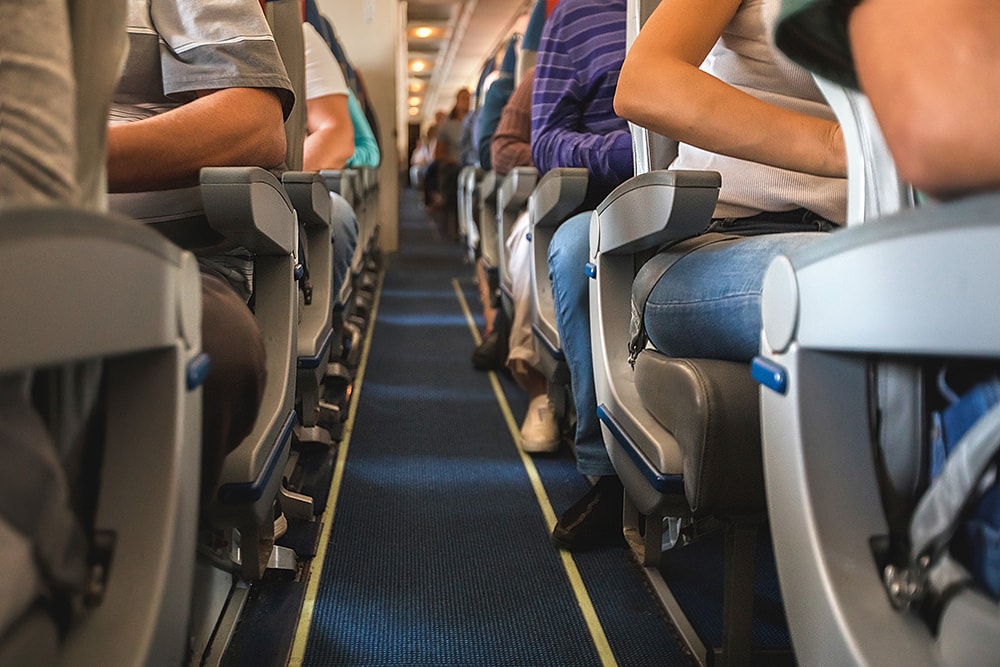
In some research, bodily discomfort, resembling encroachments into personal spacehas been discovered to be the main set off for anger amongst passengers.
Emotional triggers resembling frustration over delays, lengthy queues on the safety test or unmet service expectations, can escalate minor grievances into disruptive outbursts.
Noise and starvation may additional compound the scenario. It might create a risky ambiance even earlier than passengers act out.
Analysis has additionally instructed that low-cost carrierswhereas indirectly answerable for air rage, create environments conducive to disruptive behaviour as a result of decreased service ranges, insufficient amenities and passenger stress from automation and cost-cutting measures.
Social stressors
The function of inequality throughout the cabin setting is one other potent issue.
Analysis exhibits that airplanes function a microcosm of class-based societywith bodily inequality (the presence of first-class cabins) and situational inequality (boarding via first-class sections) growing the sense of frustration.
Apparently, situational inequality may even have an effect on first-class passengers, by highlighting their privileges, generally fostering a way of entitlement which will result in delinquent behaviour.
Alcohol use and nicotine withdrawal
Alcohol is a dominant precipitant of air rage incidents. Some research have discovered that more than half of reported air rage instances concerned alcohol intoxication, typically fuelled by liberal airport alcohol insurance policies and in-flight consumption.
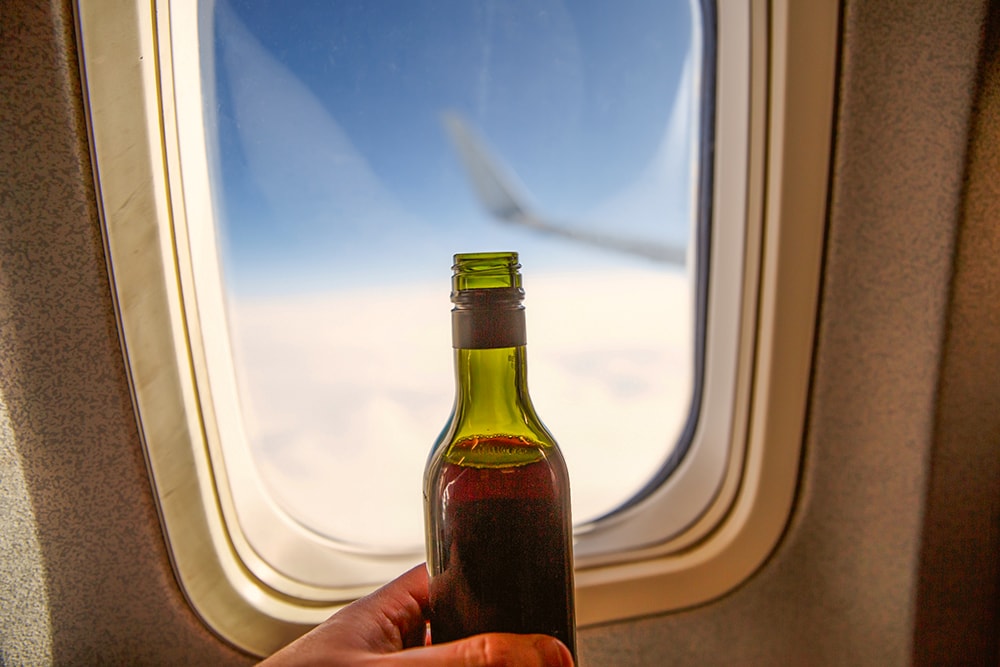
Equally, nicotine withdrawal was one other issue, with nearly 9% of incidents attributed to people who smoke unable to fulfill their cravings throughout lengthy flights.
Sociodemographic influences
Empirical knowledge recommend sociodemographic elements play a big function in air rage incidents. One research examining 228 air rage cases discovered practically 90% of incidents concerned male passengers, with youthful adults, notably these aged 30–39, being probably the most incessantly implicated.
Cultural norms and expectations round air journey additionally affect behaviour. They form how passengers reply to delays, discomfort, breaches of etiquette or perceived inequities.
What might be executed?
Within the UK, airways and airport authorities have carried out measures, resembling Edinburgh’s No Excuse for Abuse marketing campaign, to handle the rise in disruptive behaviour. Such initiatives remind passengers to deal with workers and fellow travellers with respect, whereas emphasising a zero-tolerance method to aggression.
However tackling air rage requires extra than simply slogans.
De-escalation methods and early recognition of disruptive behaviour will help diffuse conditions earlier than they escalate. Research recommend skilled and well-trained crew members are better equipped to handle such incidents.
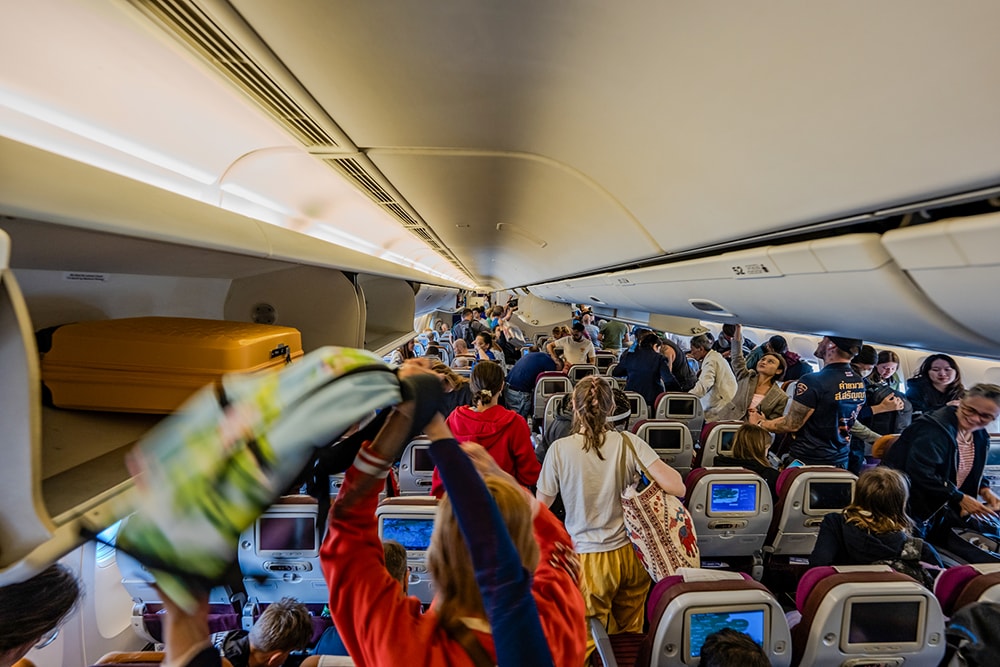
There are additionally easy issues you are able to do to enhance the flying expertise.
- You could select to keep away from overindulging in alcohol earlier than or through the flight, even when it seems like a technique to loosen up. Staying hydrated and choosing non-alcoholic drinks will help maintain feelings in test.
- Be aware of others when reclining your seat, storing baggage, or navigating the aisle. A bit courtesy can go a great distance.
- Scale back stress by arriving early, making certain your paperwork are so as. Keep away from speeding via the airport, which is commonly a recipe for heightened nervousness and irritability.
- Journey might be anxious for everybody. Exhibiting empathy and being well mannered, even in irritating conditions, will help de-escalate potential conflicts.
Finally, it could be useful to keep in mind that air journey isn’t at all times glamorous. Acknowledge that delays, discomfort and inconveniences are sometimes a part of the expertise and accepting this actuality will help cut back frustration.
Creator: Milad HaghaniSenior Lecturer of City Threat & Resilience, UNSW Sydney.
This text is republished from The Conversation below a Inventive Commons license. Learn the original article.
Loved this put up? pin it for later…
Lead picture: George Tsartsianidis/Dreamstime
Source link